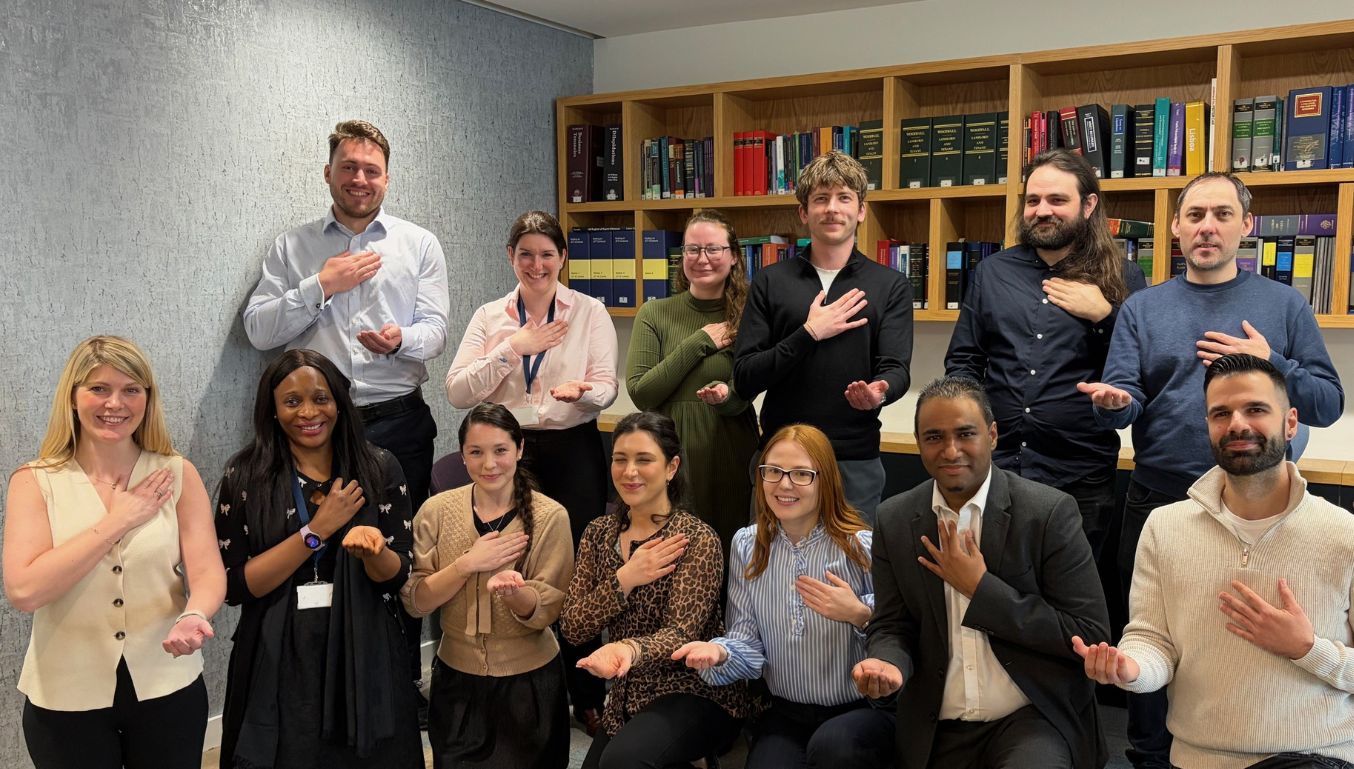
This year, International Women’s Day is inviting everyone to think differently about equality and how it can benefit everyone. The theme this year is ‘Give to Gain’, a reminder that progress for women is not only the right thing to support, it also strengthens organisational resilience, and minimises risk. When employers give fair processes, flexibility and space to be heard, they gain trust, retention and protection from avoidable disputes.
For HR leaders and employers this message is particularly powerful because the steps that support female employees can often overlap with the steps that reduce legal risk. By giving fairer pay, better flexibility, and a safe workplace, employers are gaining a resilient, trusting and productive workforce.
Giving Fair Pay to Gain Trust
Despite years of campaigning, and large scale legal actions, the Gender Pay Gap remains a defining feature of women’s experience at work. In 2024 the official statistics have the pay gap at 7%. Although UK law provides a long established right to equal pay for equal work, many women still face the consequences of historical pay structures, opaque bonus schemes and inconsistent job evaluation systems.
There has undoubtedly been improvement in this area, with the gap falling by approximately a quarter in the last decade, according to the Office for National Statistics. However clearly, there is still work to be done. For many employers this requires not just the statutory tick box exercise of reporting, but really looking at the reward and incentive schemes applied to staff and considering where these are disproportionately applied.
When employers invest time in reviewing pay practices, documenting rationale for reward decisions and addressing gaps where they can, the gains are significant. Employees who are paid fairly for the work they do are more liinternational womens day 2026kely to trust the organisation, meaning that grievances are less likely to escalate. Transparent processes also help managers make consistent decisions and reduce the risk of unconscious bias seeping into pay reviews. The Give to Gain principle is clear. Giving transparency and structure creates confidence among women and strengthens an employer’s ability to demonstrate fairness if questioned.
Giving Flexibility to Gain Retention
Flexible working has become a central part of modern employment relationships. The Employment Rights Act 2025 will see these rights entrenched further. Where it remains statistically more likely for women to have caring responsibilities, this can be a major factor in determining whether a woman remains with the employer, or even in the workforce.
A modern employer, who wants to retain the best talent, will consider where it can be flexible and accommodate the needs of its employees generally, but particularly its female staff. Employers who approach flexibility with an open mind often see the benefits in engagement and retention.
It’s really important however, for decisions around flexibility to be managed consistently, with a clear process that is followed, managers who are trained on the rights of their employees, and well considered decisions. This approach greatly reduces the likelihood of disputes arising from rejected requests.
Where employers give thoughtful consideration to the genuine needs of their staff they gain a loyal workforce and significantly reduce the risk of indirect discrimination claims linked to working patterns. The Give to Gain message applies as much to managers as to the company’s policy writers. Giving space for conversation and creative solutions can ensure compliance with legal rights, and a more motivated team.
Give to Gain – Supporting equality and inclusion for a better, happier workforce
Giving a Safe Space to Gain Engagement
A workplace where women feel able to raise concerns without fear is a workplace that is likely to resolve issues early. We are seeing increasing protections for women in the workplace, including changes to how NDAs will work, and stricter rules for employers to prevent harassment.
These changes do not come from nowhere. They come from a systemic culture issue across UK workplaces where we are seeing a continuation of archaic approaches to female employees, offensive and derogatory language, and continued discrimination against women who are pregnant or on maternity leave.
To properly address these concerns, employers need to have a workplace where people feel able to speak up when they see harassment, without fear of repercussions. The willingness to speak up depends on culture as much as on policy wording. Ensuring that matters are addressed promptly and fairly not only aids employees in creating a safe workplace, it will also make those employees feel heard and respected, and can mitigate risks of matters later reaching a formal dispute.
Giving women a safe space to raise concerns and feel heard means more than having a document on the intranet. It means training managers to listen, handling concerns sensitively and following clear investigation processes when required. When employees see problems addressed, confidence grows and minor issues are less likely to escalate into formal claims. The gain is measurable in engagement scores and in reduced management time spent on disputes. In this sense Give to Gain is not just a theme, it is a practical guide to building a legally resilient culture.
Give to Gain – a call to action
International Women’s Day 2026 is an opportunity for employers to reflect on how everyday decisions influence women’s experiences at work. When businesses give fairness in pay, give flexibility in working patterns and give women a safe workplace, they gain far more than legal compliance. They gain trust, loyalty and a happier and more engaged workplace, resulting in a reputation for best practice, and less legal risk. The Give to Gain theme captures the reality that supporting women is not a cost. It is one of the most effective long term investments an employer can make. If you have any questions about how to implement these changes in your workforce and take practical steps to create an inclusive and modern workplace, please reach out to our employment team. We can help with big picture policy guidance and training, as well as case by case support.